Ivermectin Side Effects: Common, Serious, and What to Know
Ivermectin is a well-tolerated oral medication available for the treatment of parasitic infections. However, there can be some side-effects that can vary from person to person (some reactions could be mild to temporary). Others might require proper medical supervision. It is therefore important to understand the common and Ivermectin side effects can help you to use the medicine safely.
What is Ivermectin?
Parasitic infections among humans are rising by the day. It has become one of the medical concerns among people and to approach the right treatment. Therein, one of the medicines widely adopted is Ivermectin. But What is Ivermectin? Let us help you to know about this particular medicine. Ivermectin is introduced as an antiparasitic medication and is helpful against the proper control of parasitic infections in humans.
Note
The ivermectin products are intended only for animal purposes and are not substitutes for human medications. Veterinary formulations can contain different concentrations, or even inactive ingredients, and should not be taken by people. However, there can be some Ivermectin Side Effects, and that needs to be considered for proper control.
What Is Ivermectin Used For?
If you want to find the right answer to what Ivermectin is used for then it is mainly available for the treatment of certain parasitic infections, but only when prescribed by a healthcare expert. Some of the common medical uses of oral Ivermectin are-
- Strongyloidiasis is one of the intestinal infections caused by parasitic roundworms.
- Onchocerciasis is also a kind of parasitic infection.
- The Ivermectin dosage for scabies involves the prescribed dosage for around 7-14 days.
- Certain other parasitic infections, where Ivermectin may sometimes be used for other conditions (only when a healthcare professional determines its correct use).
- Certain skin conditions where specific topical ivermectin products are approved for conditions like rosacea or head lice.
The correct Ivermectin Dosage for human will help to control the parasitic infection as per the condition and give proper health betterment.
Warning
Ivermectin should not be used to treat conditions for which it is not approved. Majorly, people should not self-medicate with ivermectin on the basis of online claims about its unapproved uses.
Common Ivermectin Side Effects
What could be some Ivermectin Side Effects? But not everyone with parasitic infections develops the same side-effects. The effects mainly depend upon the infection being treated.
- Nausea
- dizziness
- Vomiting
- Reduced appetite
- Headache
- Abdominal discomfort
- Fatigue
These are the Ivermectin side effects in humans, seen and they require immediate medical attention.
Serious Ivermectin Side Effects
Some of the serious side effects of ivermectin are as mentioned below-
- Severe dizziness
- confusion
- seizure
- severe weakness
- Loss of coordination
- Facial, lip, tongue, or throat swelling
- Significant liver-related symptoms
All of these could be Ivermectin side effects in adults, and when experienced, individuals should reach a doctor on an immediate basis.
How to Minimize Ivermectin Side Effects?
The best way to reduce the Ivermectin adverse effects is to use Ivermectin as medically advised and according to the prescribed or labeled instructions. Consider the following precautionary measures-
- It is advisable to use the correct formulation like oral, topical and veterinary products.
- Follow the prescribed dose, as it is not advisable to increase/decrease the dose without professional advice.
- Do tell your doctor about all medicines you are taking.
- Discuss your liver problems, and even other significant medical conditions, before treatment starts.
- Avoid self-treatment based on the internet recommendations,
- In this manner, Ivermectin Side Effects can be reduced and proper treatment can be done.
Tip
In case Ivermectin causes dizziness, it is advisable to avoid driving, operating machinery, and even performing activities that majorly require full attention.
Who can develop major Side Effects?
Some people require additional monitoring or evaluation before taking Ivermectin. This can include people who are-
- suffering from liver problems
- Taking multiple prescription or OTC medicines
- Having any history of medication allergies
- elderly/young people
- At pregnant state/breastfeeding
- May have heavy parasitic infections
- Have previously experienced an adverse reaction to ivermectin
Ivermectin Overdose
If you take more amount of dose than required, it can lead to Ivermectin Side Effects or could even increase toxicity. Some symptoms are-
- loss of coordination
- breathing difficulties
- Seizure
- State of confusion
- dizziness
- weakness
- breathing difficulties
When to Seek Medical Attention
When you are encountering mild to major Ivermectin Side Effects then this indicates a medical emergency-
- if you find difficulty breathing
- severe rashes/blistering
- swelling of the face
- significant problems with coordination
- severe confusion
Drug Interactions
Ivermectin may also react with other medications, though the interaction depends upon
- dose
- formulation
- and the patient’s medical condition.
Before you take Ivermectin then it is advisable to consult with a healthcare expert about:
- prescription medications
- OTC medicines
- herbal products
- Vitamins and supplements
- Drug (impacting CNS).
- other antiparasitic medicines
How to Reduce the Risk of Side Effects
To reduce Ivermectin Side Effects, follow some practical measures-
- Take only the required amount of dose as per your specific condition.
- Do not use animal Ivermectin products.
- Not to combine Ivermectin with other antiparasitic medicines.
- Check the product instructions before use.
- Tell your doctor about allergies/other medical conditions.
- Discuss pregnancy/breastfeeding before treatment
- Must store the medicine as per the product information.
- Keep out of reach of children.
Conclusion
Ivermectin is one of the established drugs available for the treatment of Parasite infection in humans. Though it has been found that many people tolerate it well, some side-effects can also occur. It is therefore advisable to take Ivermectin depending upon the doctor’s advice and formulation. Making use of the correct formulation, following the recommended dose, and checking potential drug interactions can help to reduce the unnecessary risks.
In this manner, while following the recommended advice, it becomes easier to avoid Ivermectin side effects and gain potential health benefits.
FAQs
What is the most common side effect of Ivermectin?
The most common Ivermectin Side Effects are dizziness, nausea, diarrhea, and abdominal discomfort. Though the type/frequency of side-effects can vary depending upon the condition being treated.
What to avoid when taking Ivermectin?
Firstly, avoid taking Ivermectin in more amounts and combining it with other medications without seeking healthcare expert advice.
How many days can Ivermectin be taken?
The treatment depends upon the type of parasitic infection, formulation, dose, and individual factors. It is therefore advisable to consult with a specialist.
How can you tell if Ivermectin is working?
The working of Ivermectin can be reported as per the infection treatment, and how its symptoms are decreasing/eliminating.
For how long do Ivermectin side effects last?
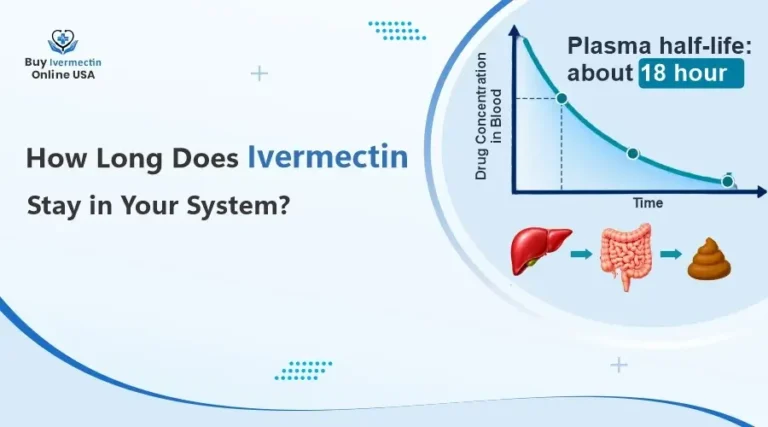
The mild side-effects can last 1 to a few days as your body processes the drug. In some cases like itching or skin reaction then it might take weeks to destroy the parasites.